This institution or programme profile is translated from the reviewed Ukrainian source. Fees, admission rules and dates shown are source information, not confirmation of a current intake. Please confirm current conditions with Interavers before applying.
Education in China after 9th grade
List of educational institutions:
Beijing Yanqing No1 Vocational High School (Beijing Professional College No1 Yanqing)
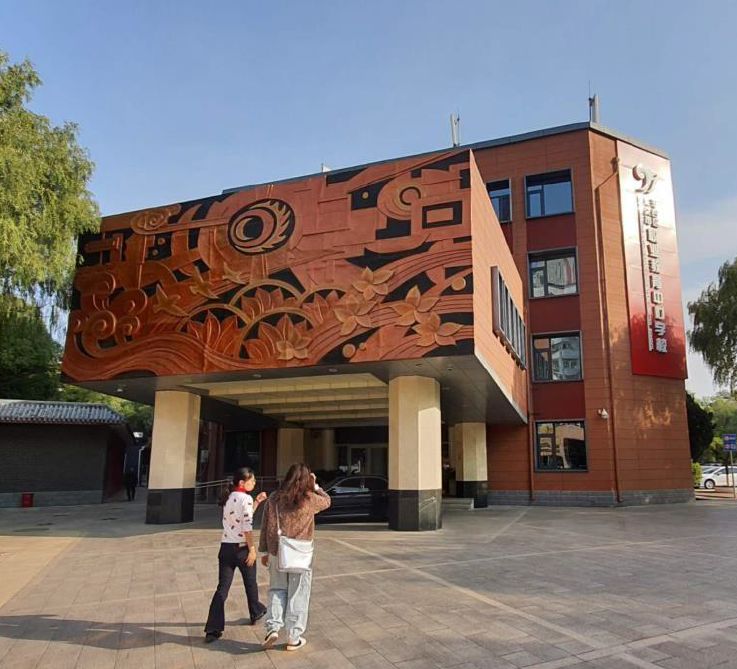
Beijing No. 65 Middle School
Beijing Vocational College of Agriculture (Nong Ye)
Beijing Qiushi Vocational High School
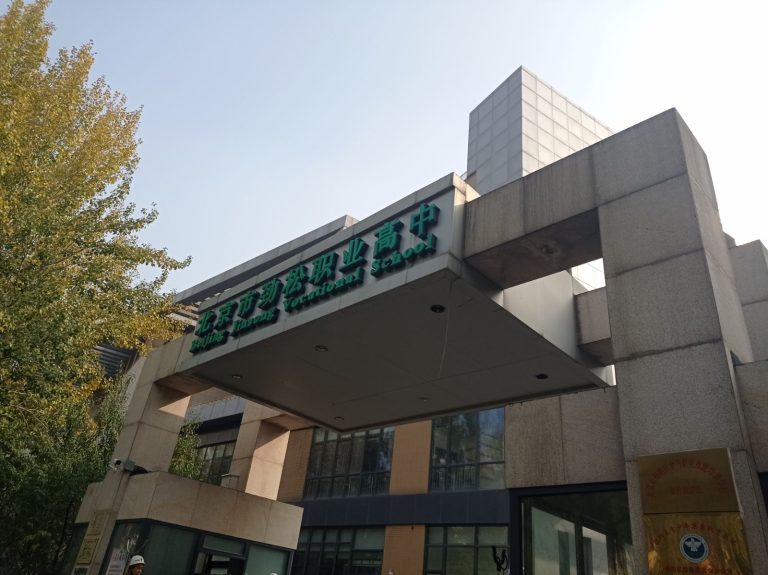
Beijing Jinsong Vocal High School (Beijing Professional Dinson School)
Beijing Fengtai Vocal High School (Beijing Professional School of Fengtai)
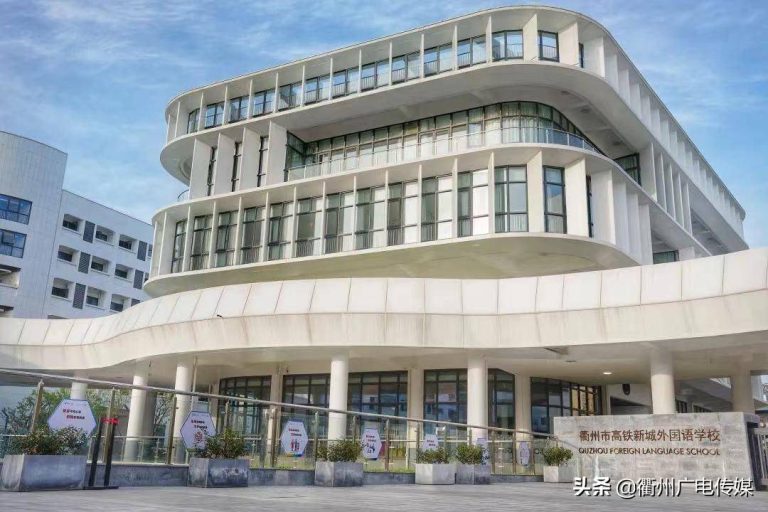
Quzhou Foreign Language School (QFLS)
After graduating from the 9th grade, Ukrainian schoolchildren can enter colleges and schools in Beijing and get secondary special education in 3 years. Training usually starts with Intensive Chinese Language Course, which lasts from six months to a year depending on the institution. From the second semester or course, general education subjects are gradually added, and subsequently disciplines related directly to the chosen specialty.
After getting an education in Chinese educational institutions, graduates have the opportunity to quickly find a job in a large international company. This is not surprising, because Beijing is one of the largest global business centers, where thousands of global corporations are located.
If you want to immerse yourself in an international environment even earlier, you can enter a Chinese school after the 7th grade. This gives you a chance to master Chinese much faster and enter the university in the future without additional language courses. Chinese schools actively support the adaptation of foreign students: children help integrate into local culture, offer classes with a combination of traditional Chinese arts — dance, painting, needlework, as well as hobby classes in photography, music and a wide range of sports sections.