EDUCATION / JOURNAL
Medical examination in Slovakia
Published · 12.06.2026
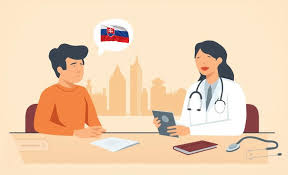
Receiving a residence card, prechodný pobyt, is only part of the process. The second required step is a medical examination, lekárska prehliadka pre cudzincov. Failing to submit the certificate to the police on time puts residence status at risk. This article explains the details, figures and legal aspects.
Deadlines
Slovakia’s Act on the Residence of Foreigners specifies submitting a medical report to the Foreign Police within thirty days of receiving the residence card or the status taking effect.
What to bring
Bring an original valid passport, the residence card or confirmation of issue if the card is still in the post, and urine and stool samples. Buy sterile plastic sample containers at a Slovak pharmacy, lekáreň. They are inexpensive, while household jars are prohibited in European laboratories.
Preparation beforehand
Results need to demonstrate that you are healthy. An incidental abnormal result may lead to further paid examinations.
For 24–48 hours, avoid alcohol, including beer or wine, and energy drinks, which affect liver blood results. The day before, avoid fatty, fried, spicy or heavy meals, excessive sweets and citrus fruit.
Have a light dinner and finish eating by 20:00. Do not have breakfast, coffee or tea, even without sugar, on the examination morning: the examination is performed fasting.
Drink one or two glasses of plain still water in the morning. The original article explains this as thinning the blood, making venous sampling easier and helping avoid dizziness.
At the clinic
All rooms are in one specialist department, with the complete procedure taking around forty to sixty minutes.
Registration and payment: submit your passport, card and sample containers, and pay the fee. A nurse takes venous blood to test for infections including HIV, syphilis and hepatitis B and C. A chest X-ray is used to rule out pulmonary tuberculosis.
A doctor checks blood pressure and pulse, listens to the heart and lungs, and asks about chronic conditions, previous operations and current health. You may then leave; samples are labelled and sent to a certified laboratory.
Costs
Because the examination is an administrative police requirement rather than treatment, the original article states that insurance does not cover it and payment is out of pocket.
The listed figures are approximately EUR 150 for adults, EUR 200–250 at some private Bratislava centres, and student prices from EUR 140. For a student discount, bring ISIC or confirmation of enrolment, potvrdenie o návšteve školy.
If a condition is detected
If an infection on the public-health danger list is found, the certificate is not issued, fees are not refunded and the foreign national pays for further treatment. The source describes this as standard EU migration-medicine practice.
The police examination is a structured procedure that should not be postponed. Book after receiving the card, prepare for testing and meet document deadlines to avoid delays, fines and immigration difficulties.
Article illustrations