A participant’s experience
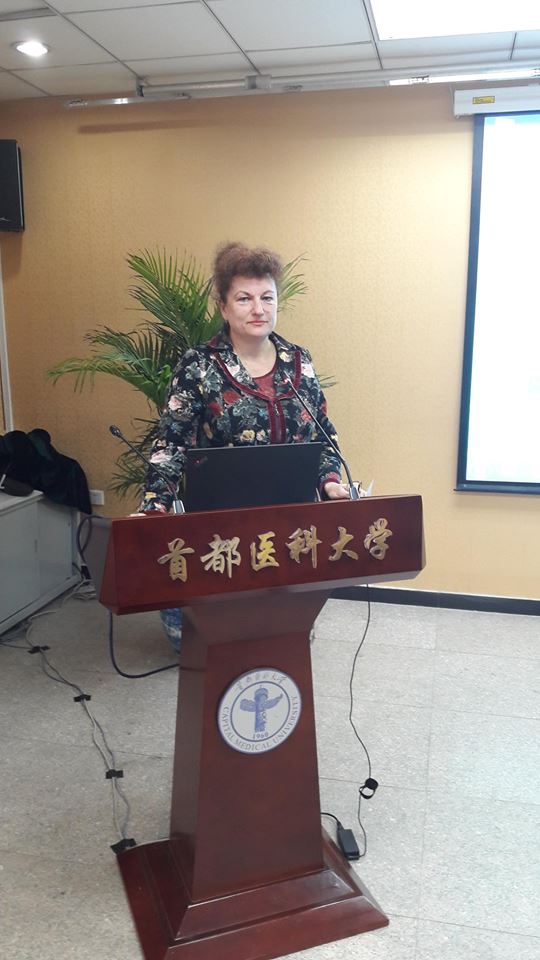
Iryna Holovanova, Doctor of Medical Sciences, participant in academic training in China
Translated testimonial. Names, dates and circumstances are retained from the original.
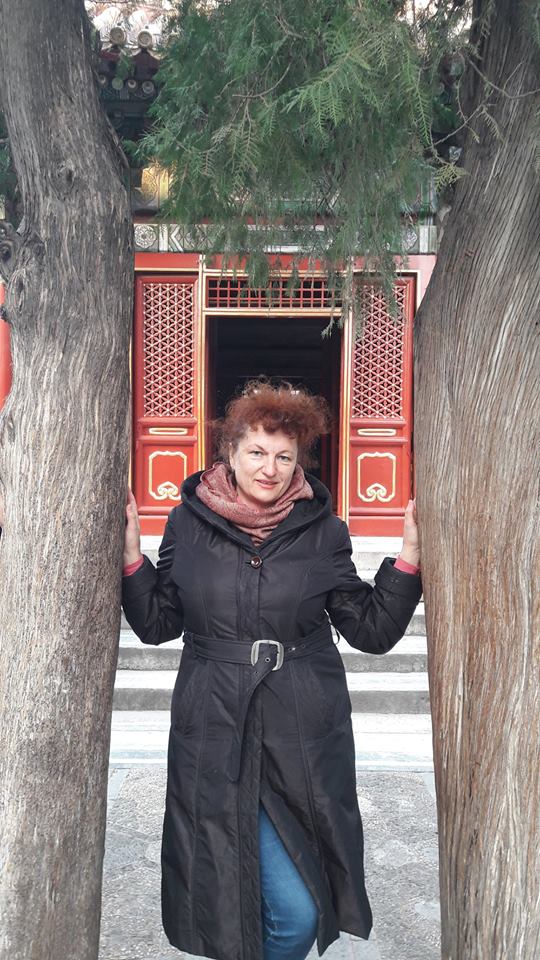
I would like to share my unforgettable impressions of the training programme in the People's Republic of China that Avers Express Ltd organised for a group of medical professionals from Poltava in 2018. We studied at Capital Medical University in Beijing. Our programme consisted of public health lectures in the morning and visits to Beijing healthcare institutions with additional lectures in the afternoon. We were amazed by Beijing, a city of 22 million people!
The buildings ranged from skyscrapers to tiny huts. Once we accidentally entered a hut, thinking it was a small café, only to discover it was someone's home. We had a good laugh! Historic and modern buildings stood alongside one another. People were just as varied. We met very friendly young people, mostly students, who helped us get anywhere in Beijing. We also encountered extremely “active” people, especially at markets, trying any way they could to sell us something. My shopping ended with fridge magnets.
Most Chinese people we met did not know English, but our lectures were in English. There in China, I stopped wondering why I studied English twice a week—a question I often asked in Poltava. I knew I was on the right path. Ordinary people spoke Chinese, but everyone had Google Translate: they spoke into it, and we listened to the translation. The participant group included Russians, Indonesians and Pakistanis. Interestingly, the Indonesians knew both English and Chinese and wanted their children to study at university in China.
We did not see temples or other religious buildings. The scientists and doctors we spoke to described themselves as atheists. In that context, we asked many questions about hospice care. Euthanasia was not discussed. As they explained, they aimed to ensure a dignified life at its end.
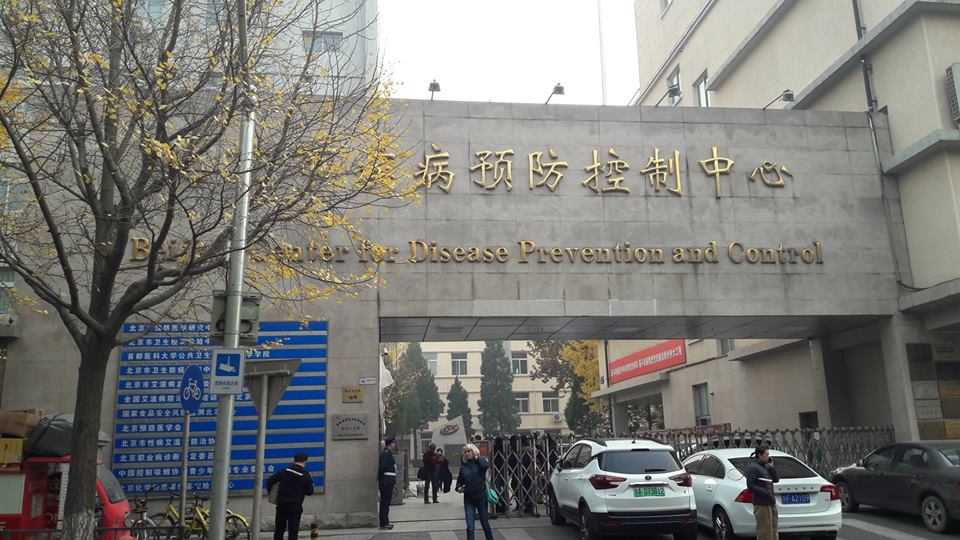
We visited the Chinese Center for Disease Control and Prevention, China CDC, with great interest. CDC is a national public health institution specialising in disease control and prevention. Patient information from outpatient facilities is sent there. Patients are registered electronically as soon as they enter a healthcare institution.
We admired enormous vehicles equipped with modern laboratories. These mobile laboratories travel to disaster areas and remote parts of China. The institution's main mission is to create a healthy environment and reduce disease risk factors using evidence-based medicine, continuous research and postgraduate education. Zi Xinhua, Party Secretary and Deputy Director, gave a lecture on the centre's mission and tasks.
We were struck by the number of medical staff, especially nurses, and the hospice's pink-and-white corridors. Remote medical centres, similar to our outpatient clinics, have permanent video links for conferences and consultations with major medical research centres. We saw complete computerisation and electronic patient records. Nurses worked at stations with three or four computers. Children and adults entered their details to receive an appointment queue number and could clearly see the queue progressing before an announcement called them. This system identifies patients and helps prevent medical errors caused by confusing one patient with another.
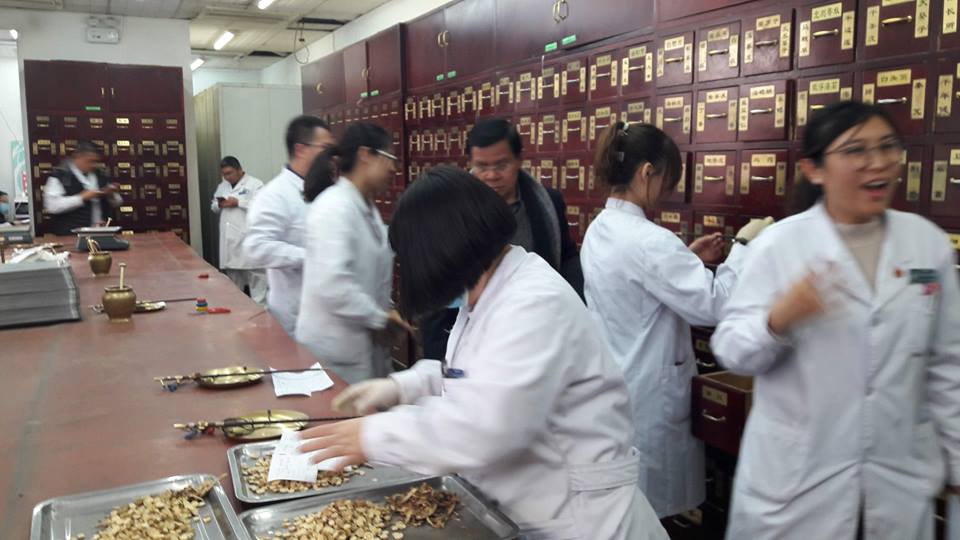
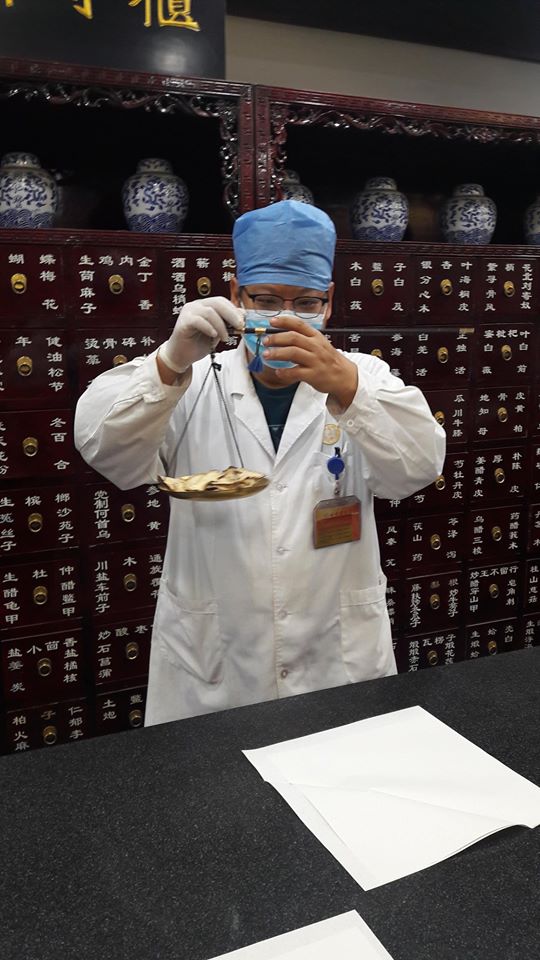
Capital Medical University has several university clinics. As mentioned, Chinese medicine is widespread, using plants, animal organs and minerals, as well as acupuncture. Training also uses models connected to computers. When a doctor inserts a needle correctly or incorrectly, the monitor displays the result. Training departments exist not only in university clinics but in almost all healthcare institutions.
Healthcare institutions have powerful technology, and Chinese people are especially proud of equipment made in their country. If domestic devices, such as stents, are used in treatment, the state covers up to 90% of their cost.
Capital Medical University is like a small town of university clinics and buildings. It is divided into schools, including Public Health and International Resources. I particularly want to mention the research school, where students, postgraduate students, professors and nurses conduct research. Animals are kept in a separate facility, used in experiments and then sent to the school—not for teaching.
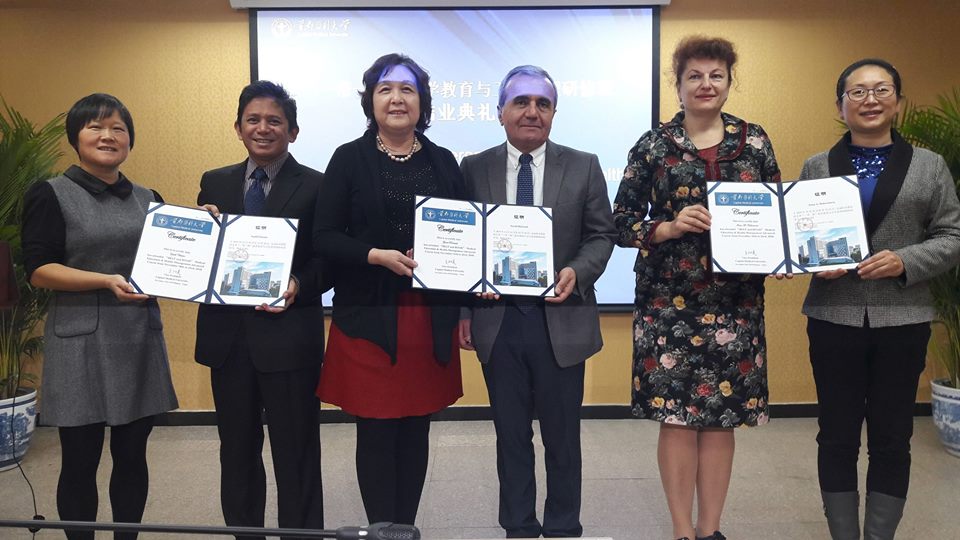
Just when we thought everything was over, on the last day we were given an opportunity to present the healthcare system of our own country. I think we managed the task well.
The training ended, leaving us with impressions and knowledge that we are ready to share with our students, interns and trainees. I remain grateful above all to our rector, Professor Viacheslav Mykolaiovych Zhdanov, whose authority is outstanding: all three participants from Ukraine were from Poltava, and two of us represented the Ukrainian Medical Academy. I also thank Vice-Rector for International Relations Viktor Viktorovych Polishchuk and his entire department. Special thanks to Nataliya Viktorivna Kucherenko, head of the international company Avers Express, and the organisers at Capital Medical University. We hope to continue cooperating in the future.
Photos from the testimonial